
Data centres remain an essential aspect of our increasingly digital society, where most corporate communication occurs online. They can house complex and state-of-the-art software, providing smooth and fast services
The field of data centre security is advancing rapidly. Regulatory shifts, growing cloud use, and more complex cyberattacks drive the need for more robust data centre security solutions. Read on to deeply understand standards, rules, and security best practices for data centres..

What is a data centre?
A data centre is a facility or cluster of facilities specifically designed to host data processing and storage equipment. In a data centre, the network infrastructure processes and distributes data. Providers of crucial services and data centres facilitate essential operations, including data storage, backup and recovery, networking, and data management.
Data centre infrastructure is built out of physical equipment and housed in a single location. These days, most data centres use a hybrid architecture, which combines on-premises hardware with cloud-based infrastructure hosted across several public and private clouds. This hybrid data centre design uses platform orchestration to facilitate the transfer of data and applications between on-premises and cloud-based resources. In addition, if they stick to a security strategy, they can be sure that their infrastructure, software, and data won’t be vulnerable to any attacks.
What is data centre security?
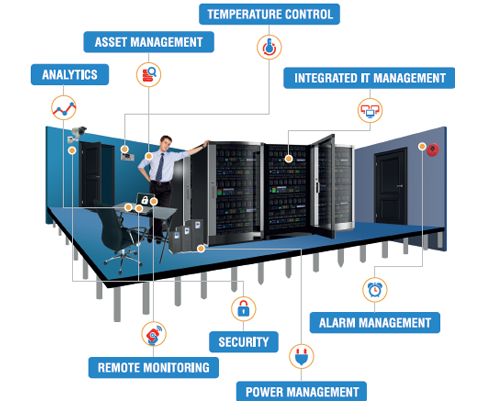
Data centre infrastructure needs security to ensure constant operation; this includes both physical and virtual.
Physical security: techniques and strategies to prevent external invasions. Off-highway sites, high walls, monitoring, perimeter intrusion detection systems, etc. are some options.
Software Security: prevents thieves from entering the system by breaching the firewall, cracking passwords, or other means. SIEM products give systems visibility and control (SIEM). Creating network security zones is another option. Administrators oversee this.
Every business and government agency requires a data centre or access to one.
Why do data centres need security?
Organizations that keep sensitive data in data centres need to take precautions to keep that data safe. This holds true for both private and public sectors and on-premise and cloud-based infrastructures.
Whether it’s a bank storing customer payment information or a hospital storing sensitive patient data, data centre security measures prevent unauthorized access.
Whether your company operates its own data centres or uses those of a partner, you need to think about data centre infrastructure security solutions.
Common Attacks on Data Centres

Let’s look at the most prevalent kind of assault that may be launched against an unprotected data centre.
- SQL Injection
Here, the attacker injects malicious code into the standard SQL query, enabling them to manipulate databases.
- Denial of service (DoS)
Forcibly denying authorized users access to their own network’s computers, mobile devices, or other hardware or software resources is known as a denial of service attack.
- Distributed Denial of Service (DDoS)
A distributed denial of service (DDoS) occurs when a variety of DoS attacks (described above) occur simultaneously and put a large number of systems at risk.
- Unauthorized access to the system
This occurs when someone other than the actual account holder gains access to protected resources through a hacked account.
- The Ransomware Threat
Initiated immediately when a hacker has the ability to execute code on a compromised server. Any and all files on the system are encrypted when under assault. If there are no backups in the data centre, the victims must pay a ransom to the hackers before they can get their files back.
- Full-force assaults
Using application dashboards and administration panels is the key to breaking into the data centre. Phishing and other forms of staff negligence in password security hygiene are common causes of these assaults.
Now that we know why data centre security is so vital and what happens when it isn’t implemented, let’s look at some examples of safe data centre architecture.
How To Make Data Centres Secure?
- Safeguard the Physical Setting First
Your data centre’s physical environment consists of the subterranean, ground, building, and utilities that serve it.
Choose a spot free of natural disasters, man-made conflicts, and other potential disruptions. Since constant power is essential, your data centre needs backup generators (solar, wind, or diesel) and uninterruptible power supply (UPS) battery packs. For cooling data centre infrastructures, you can use various methods depending on the outside temperature. If the data centre is in a cold region, you can use the outside air, known as “free cooling.” Otherwise, you may have to use the hot and cold aisles.
Having just one entry point into your data centre facility will make physical security and monitoring much easier. There are several ways an attacker may get physical access to a data centre, not only the pre-approved ones.
- Control who can access what and where they may access it
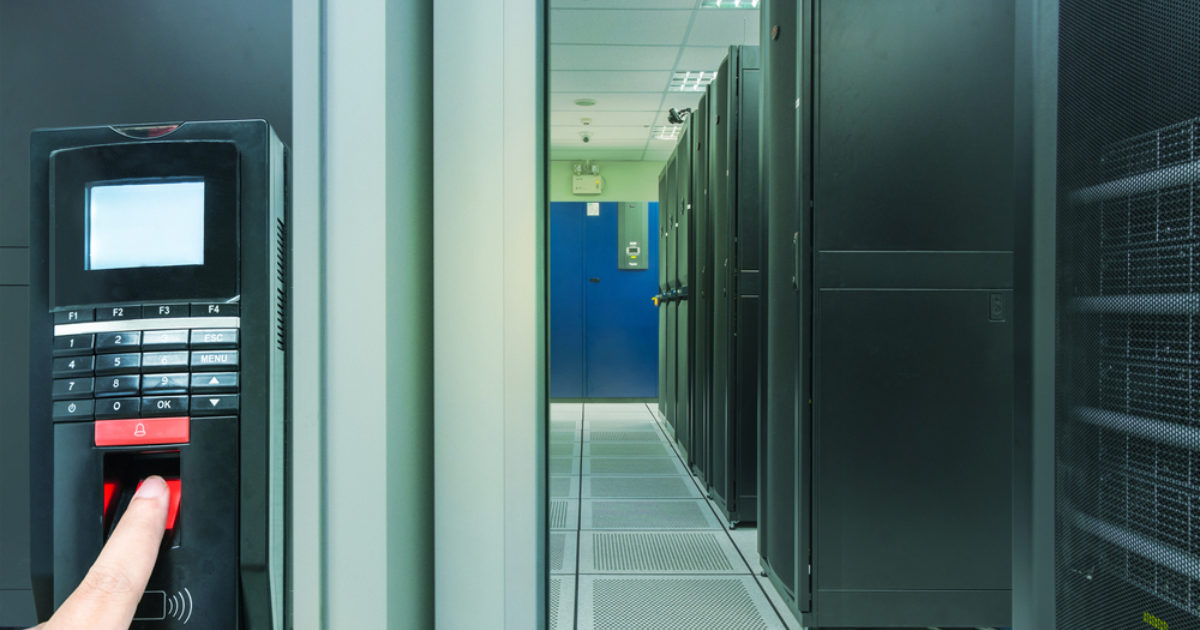
It is crucial that only authorized users have access to your data centre. Use numerous security tiers to regulate the access each user is given.
To promptly respond to any virtual security vulnerabilities, make sure professionals monitoring the network are on call around the clock. In addition, giving different people different levels of access to other parts of the building and different pieces of equipment is a good way to protect against both internal and external dangers, such as disruptive employees and guests.
Consider using a mix of security methods, such as smart cards, face recognition, biometric scans (an iris scan, a fingerprint, or vascular patterns), and so on.
- Security awareness training for staff
A phishing attack attempts to deceive a person into giving the attacker access to a computer or network. Security awareness training is the best way to reduce the number of times workers fall for phishing scams and keep your company safe from harm.
Safeguard your computer system and sensitive information
When you protect your data centre, you also protect the information stored there and the connections to the outside world. Under the “Zero Trust” security approach, every packet in the network is treated as if it may contain malicious code.
Protect your data centre infrastructure from outside access with solutions like firewalls, intrusion detection, DDoS protection, and IP address monitoring.
- Improve the health of your data centre by doing regular updates
The safety of your data centre depends on keeping all the components up to date. So whenever you get a notification that a new version of your program or a patch is ready, be sure to install it immediately.

- Install a backup system
Make sure you back up your data centre often. Protect your backups by implementing stringent access restrictions. The potential disaster of a ransomware attack may be mitigated by always having a recent backup stored in a safe location with restricted access.
Conclusion
Physical and digital safeguards must be in place around the clock to keep a data centre safe. If you want to prevent or reduce risks to your data centre, you should implement the actions outlined in this article and purchase the suggested tools. Keep things safe and stable by funding a security awareness training program supported by data and analytics.